French
  English
 Russian
 Spanish
 Turkish
 Arabic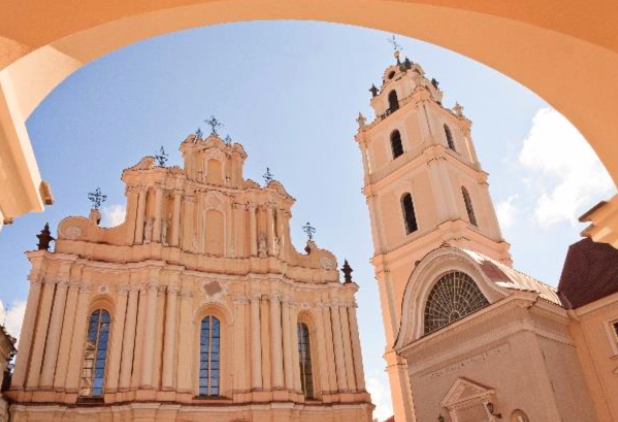

Jours : 7 | Nuits : 6

Description
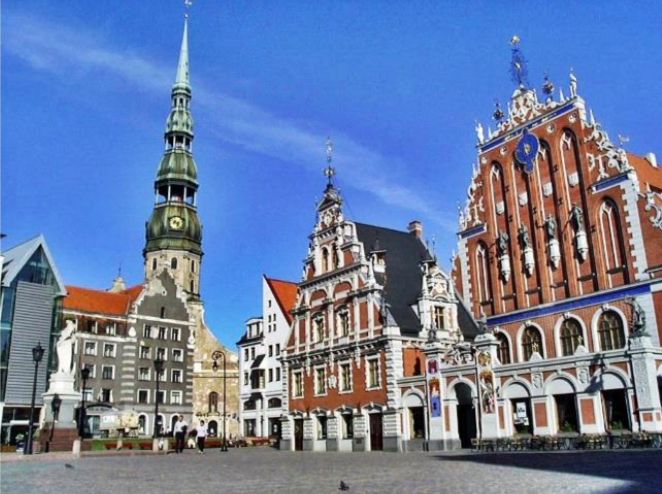
Welcome to the Baltic countries, these three countries are still unknown and yet so rich in history. You will discover amazing destinations: Vilnius and its romantic castle, Riga and its old medieval centre, Tallinn and its ramparts...
Description
Welcome to the Baltic countries, these three countries are still unknown and yet so rich…
Lire la suite
Description
Welcome to the Baltic countries, these three countries are still unknown and yet so rich in history. You will discover amazing destinations: Vilnius and its romantic castle, Riga and its old medieval centre, Tallinn and its ramparts...
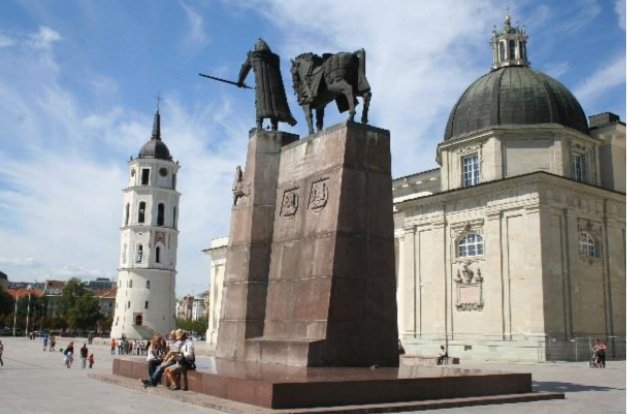
Arrival at Vilnius airport and pick-up of a rental car (not included in the price package).
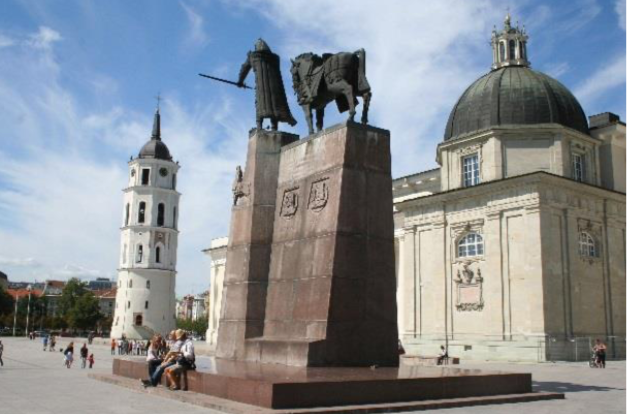
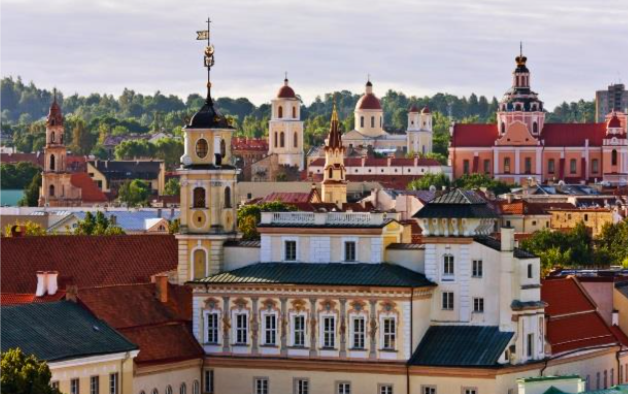
Sightseeing in Vilnius – walking tour with a private, English speaking local guide.
Vilnius is located in the south-east of the country a few dozen kilometres from Belarus. Founded in 1320 on a hill by the Grand Duke Gedymine, the city was elected capital of the Lithuanian state. High place of resistance to German Knights, Vilnius also opposed attempts to invade tribes from the east.
The most beautiful and wooded of the Baltic capitals, Vilnius is located 290 kilometres inland, by the river Ne?ris amidst small hills.
If Tallinn is unquestionably the most picturesque of the three cities, Riga the most urban, Vilnius is the most alive. Its inhabitants are generally warmer, less reserved and there is an international atmosphere due to the influence of the Lithuanian diaspora and the openness that the city has always shown towards Central Europe and the outside world.
Overnight at the hotel Amberton Vilnius or similar (B).
Breakfast in the hotel
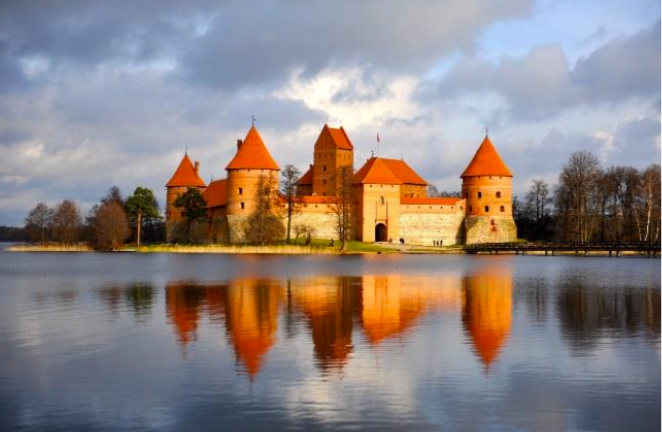
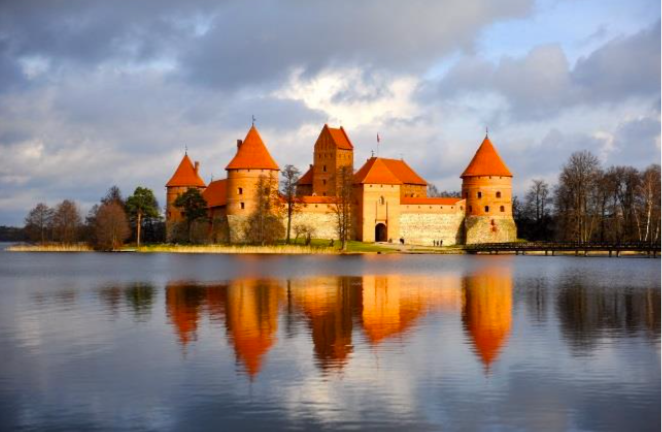
You have two days in Vilnius and the neighbouring castle of Trakai, one of the old capitals of Lithuania. In the 14th century, it was an administrative and economic centre for the management and defence of the country.
In the middle of the 20th century, Trakai Island Castle was rebuilt. Today, it is the only castle build on the island in Eastern Europe and the centre of attraction of the city of Trakai.
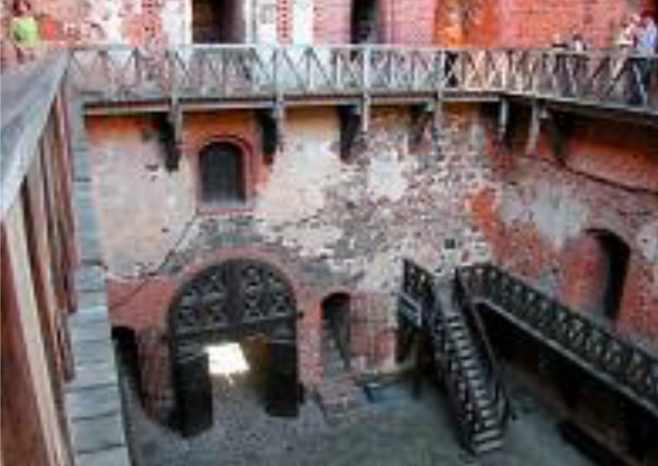
Discover Trakai's medieval town, its wooden houses and the most famous castle in Lithuania, Trakai Castle stands on a peninsula in the middle of Lake Galve. The castle museum presents prehistoric objects in the halls that surround the inner courtyard and revives the Grand Duchy of Lithuania at the time it was extended from the Baltic to the Black Sea. In the outbuildings you can see gathered furniture, ceramics and glass objects, common in the old mansions of yesteryear.
Overnight at the hotel Amberton Vilnius or similar (B).
- Cab Facilities
Breakfast in the hotel
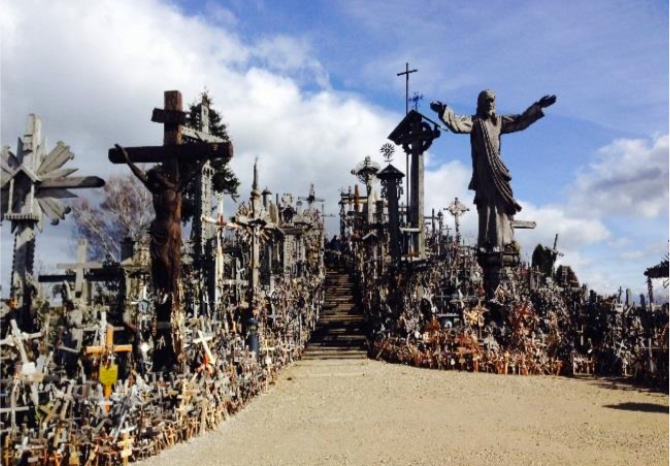
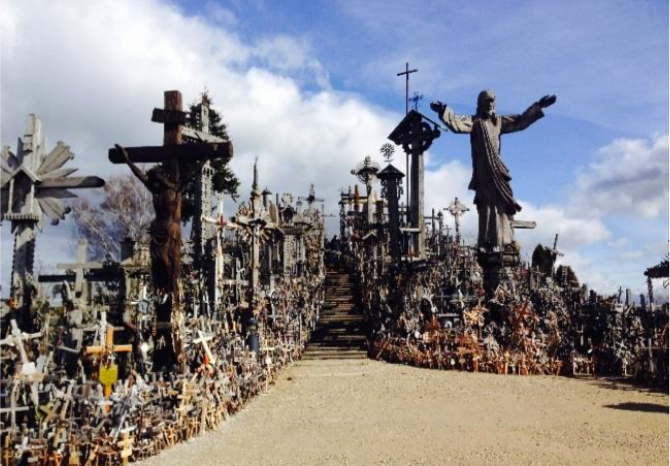
Departure to Siauliai in the north of the country and stop at the Hill of Crosses near the village of Jurgaic?iai. Nobody really knows the origin. Pilgrims come from all over the world to add crosses to the thousands that are already there. They are decorated with rosaries and are of all sizes from the smallest to the most monumental ones.
After crossing the border with Latvia, drive to Bauska and Runda?le Palace. This small town claims the finest of Latvian Baroque castles, an architectural masterpiece built in the late 17th century for the Duke of Courland, on the plans of the Italian architect Bartolomeo Rastrelli. Visit Runda?le Castle and its Baroque Art Museum. Continue to Riga.
Overnight at the City Hotel Teater hotel or similar (B).
- Cab Facilities
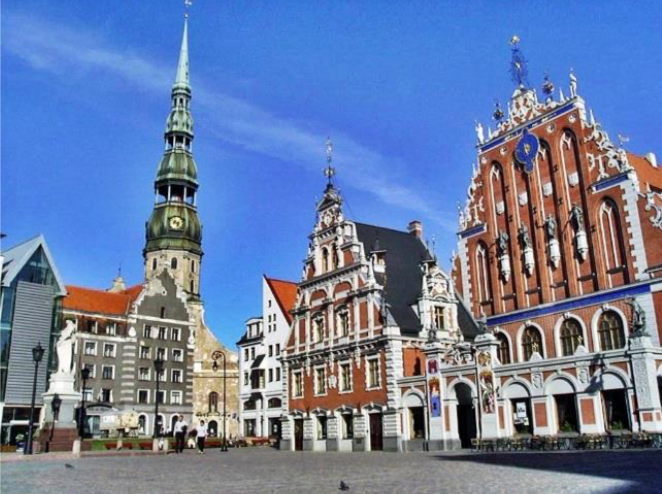
Sightseeing in Riga– walking tour with a private, English speaking local guide
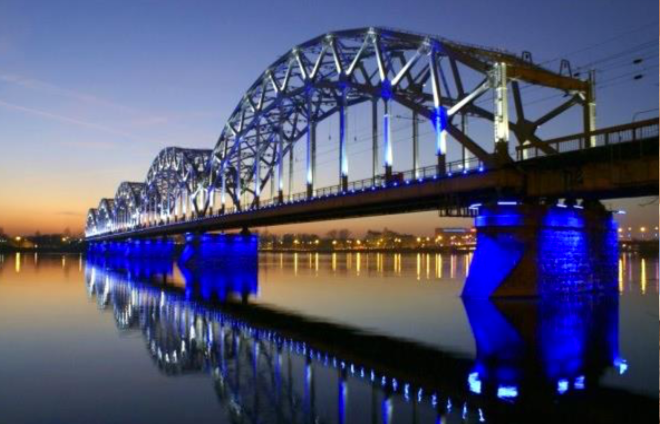
Riga is the most exciting city and the largest of the three capitols. The merchants of the Hanse have introduced their houses and their stone warehouses, the oldest dating from the 15th century and the 19th century, the city is enriched with Art Nouveau buildings, many due to Mikhail Eisenstein, father of the filmmaker Sergei Eisenstein himself a native of Riga.
Places not to be missed: the Swedish Gate and the Powder Tower, the buildings of the Great and Little Guilds, the group of houses known as the Three Brothers, the Church of St. John, Parliament and the surprising Art Nouveau buildings of the New City.
St. Mary's Cathedral known as the Dome Church stands on the square of the same name; his organ and the cloister are the pride of Riga.
Overnight at the City Hotel Teater hotel or similar (B).
- Cab Facilities
Breakfast at the hotel.
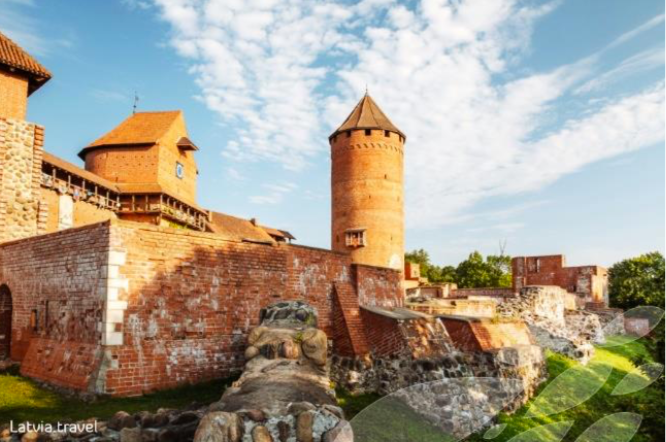
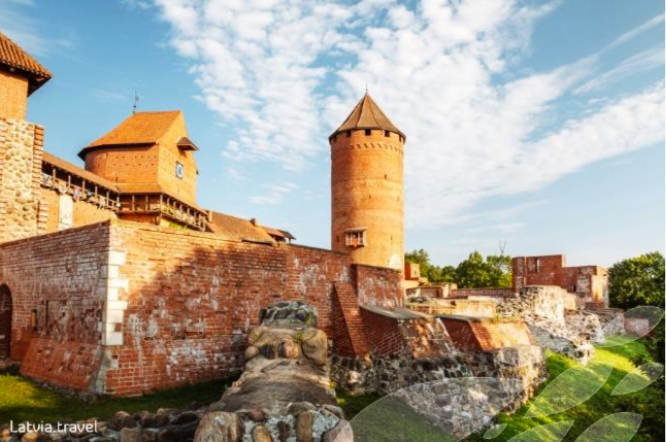
Drive to the charming town of Sigulda, located in the heart of the Gauja National Park, the largest park in Latvia. This city is known for its castles dating from Crusades and caves. You can also make a detour to the Turaida Castle with its magnificent round tower, very well preserved. The estate also includes a Protestant Lutheran church, one of the few wooden churches.
Departure to Estonia along the coast of the Baltic Sea through Parnu famous seaside resort and its huge white sand beaches.
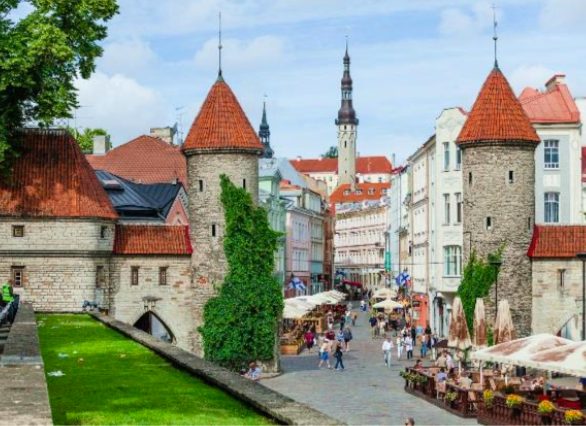
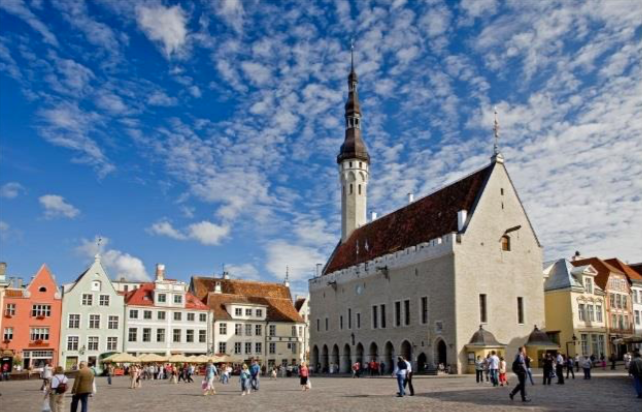
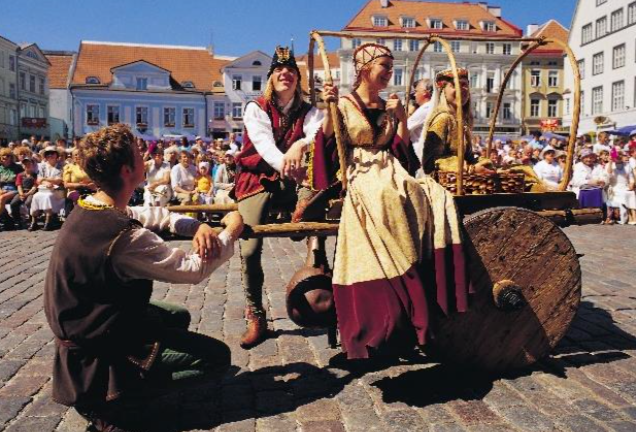
Arrival in Tallinn. Only a few cities in Europe, like Tallinn, preserve their remains of 16th and 15th centuries. At the heart of the city lies the old city (Vanalinn), which is divided into two very distinct parts: Toompea (the hill overlooking the city) and the lower town that stretches east of Toompea. The lower town, centered on the flat Raekoja (the Town Hall Square) is still surrounded by a fortified wall of two and a half kilometers. All around spreads the new city that dates mainly from the nineteenth and twentieth centuries.
Overnight at Sokos Viru hotel or similar (B).
- Cab Facilities
Breakfast in the hotel
Sightseeing in Tallinn – walking tour with a private, English
speaking local guide, in the city center of Tallinn.
The Toompea Castle is an imposing building that stands at the western end of the Lossi plats. Nothing remained of the Danish fortress built in 1219, but three of the four towers erected during its rebuilding by the knights Porte-Glaive, in 1227/1229. The largely baroque appearance of the castle dates from the 18th century, when it was rebuilt on the order of Catherine II.
Dating back to the 19th century, the St. Alexander Nevski Orthodox Cathedral dominates the Lossi plats, at the top of Pikk Jalg (Long Leg) Street. This imposing testimony of Russian imperialism harmonizes very little with the much older surrounding buildings. Do not miss a stop at Kadriorg Castle. Kadriorg means "Valley of Catherine", named after the wife of Pierre 1st. Today it is a prestigious park (designed between 1718 and 1725 by Niccolo Michetti at the request of Peter the Great, as a gift for his wife Catherine), planted with linden trees, oaks, birches and chestnut trees.
Overnight at Sokos Viru hotel or similar.
- Cab Facilities

Breakfast in the hotel
Make your way to Tallinn airport where you return your rental car.
- Cab Facilities
Inclusions
- 6 x overnights in the mentioned hotels or similar
- 6 x breakfast buffet in the hotels
- 2 hrs sightseeing with a local guide (English speaking) in Vilnius, Riga, Tallinn – walking tour
- Entrance to the Trakai Castle and its museum
- English speaking assistance (on phone) during the tour, from your local agency.
Exclusions
- Extra stay pre/post tour
- Tips and Gratuities
- Any optional tours
- Cost of extension of the validity of your holiday
- Cost of any Suggested or Optional Excursions/Tours/Activities
- Food and drinks not part of the included meals
- Anything not specifically mentioned in Inclusions list
- Drinks
- Rental Car
- Transfers – other than mentioned above
- Luggage handling
- Flights
- Tips
- Personal Expenses
- Lunches & Dinners